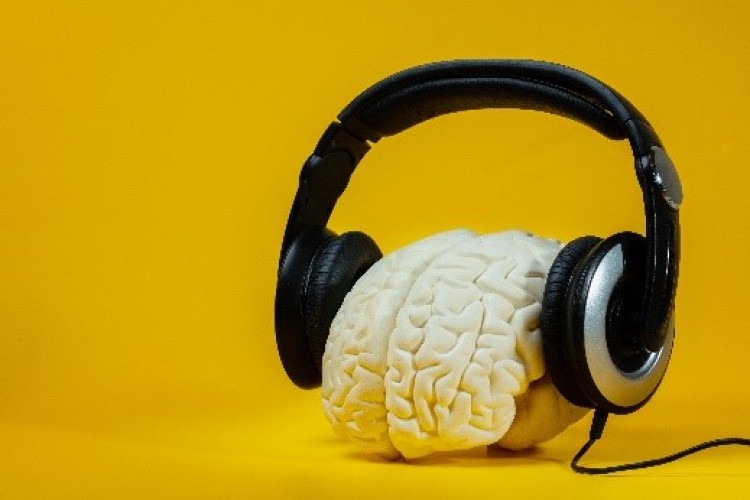


Knowing that you’re hearing music that isn’t there can be distracting and leave you feeling confused and unsettled. For many people, the initial reaction to realizing you’re experiencing something no one else is can leave you wondering whether something serious could be wrong with your physical or mental health. If you’ve been noticing songs, melodies, or distant music that comes from nowhere, you may be suffering from Musical Ear Syndrome.
In many cases, people know that there are no actual sounds playing, which is one of the main differences between this condition and other types of auditory hallucinations. Knowing which symptoms to expect and what can cause this condition can help you understand what you’re experiencing.
What Is Musical Ear Syndrome (MES)?
Musical Ear Syndrome is a hearing-related condition where a person hears songs, melodies, or singing that are not actually happening. The sounds are often familiar or nostalgic, such as hymns, instrumental music, or songs remembered from years ago.
This is often also described as musical hallucinations, though that term can sound more alarming than it usually needs to be. In most cases, MED is not tied to psychosis or severe mental illness. It is more commonly associated with hearing loss because of how the brain responds to reduced auditory input. The awareness that the music isn’t real is one of the clearest signs that this is usually a hearing-related issue rather than a psychiatric one.
What Does It Sound Like?
This condition can manifest itself in different sounds from person to person. You might hear music in your head that is often recognizable and repetitive, but what sounds are considered normal for this condition?
Here are some sounds people with Musical Ear Syndrome might hear:
- Faint instrumental music
- Choirs or group singing
- Hymns or religious songs
- Familiar songs from childhood
- Repetitive tunes
- Music that sounds like a distant radio
- Songs playing softly in the background
For some people, the sound is audible enough to be recognized, while for others, it may be muffled or seem distant. They usually occur in environments with less ambient noise, particularly at night.
What Causes Musical Ear Syndrome?
Hearing loss is the most common cause of musical ear syndrome. If the brain lacks auditory stimulation, it might compensate by generating sounds from memory.
Your brain is accustomed to constantly processing sound, and any amount of hearing loss will cause it to find a way to make up for the lack of auditory stimuli, so it’ll start pulling from familiar sounds to fill the gaps. That’s why many people hear songs, melodies, or music they already know.
MES is sometimes compared to Charles Bonnet Syndrome, a condition where vision loss causes people to see things that are not there. The concept is similar, but this affects your hearing rather than your sight.
While hearing loss is the most common explanation, it’s important to rule out other health factors that might be contributing to this condition. Possible causes and contributing factors include:
- Age-related hearing loss
- Untreated hearing loss
- Tinnitus
- Stress and fatigue
- Social isolation
- Long periods of silence
- Certain medications
- Neurological conditions in less common cases
Is It a Sign of Dementia or Mental Illness?
One of the biggest concerns of hearing music that isn’t there is that it might be a psychological issue. However, in most cases, this condition is not a sign of dementia, schizophrenia, or another psychiatric disorder. It usually stems from hearing loss and the brain’s response to decreased sound input.
One of the main differences between this condition and psychiatric auditory hallucinations is that people experiencing this usually recognize that the sound is not actually coming from an external source.
Psychiatric hallucinations are more likely to involve spoken voices, commands, or distressing conversations. Musical ear syndrome is hearing music or melodic sounds and occurs without the confusion or behavioral changes typically seen in more serious mental health conditions.
However, the sudden onset of symptoms, or hearing music in your head mixed with confusion, memory changes, or personality changes, warrants a consultation with a healthcare professional.
Musical Ear Syndrome vs. Tinnitus
Both of these conditions are related to hearing and sound perception, but they manifest differently and have different symptoms. Tinnitus usually sounds like a ringing or buzzing.
Musical Ear Syndrome is different because the sound is more structured. Instead of white noise, people hear melodies, songs, or musical patterns. Some people experience both at the same time, especially when dealing with hearing loss.
How Is MES Diagnosed?
There are a few steps to getting diagnosed if you’re hearing music in your head. In order to pinpoint the cause of the music, you’ll need to see a professional so they can:
- Administer a hearing test to check for hearing loss
- Review of your symptoms and medical history
- Cross-check and review any medications you’re taking
- Evaluate you for tinnitus
- Refer you to an ENT if needed
- Recommend a neurological evaluation in rare cases
Because several conditions can affect how the brain processes sound, diagnosing MES often begins by ruling out more serious causes first.
When Should You Seek Professional Help?
If you’re hearing music that isn’t there, it’s a good idea to mention it to a hearing or medical professional, especially if the symptoms are new or changing.
You should schedule an evaluation if:
- The symptoms started suddenly
- You recently changed medications
- You hear voices instead of music
- You have memory changes or confusion
- You notice headaches, dizziness, or personality changes
- The sounds are affecting sleep or daily life
- Symptoms occur in only one ear
- You have sudden hearing changes
Treatment Options for Musical Ear Syndrome
The right treatment option depends on what is causing your symptoms. Treating the underlying cause will give you the relief you’re looking for. Regardless of which treatment is best for you, the goal is to reduce the brain’s need to create phantom sounds.
Hearing Aids
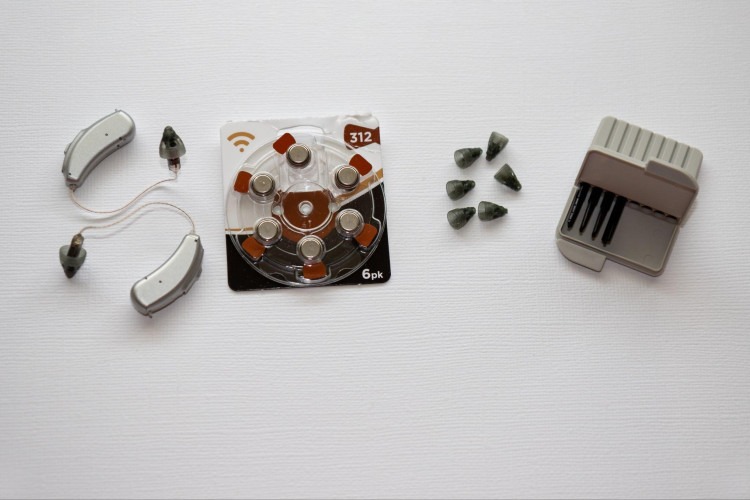
Because hearing loss is a common cause of musical ear syndrome, hearing aids are among the best ways to treat this condition. Hearing aids help restore your hearing and allow you to process sounds more accurately, which can minimize symptoms since your brain doesn’t have to fill in gaps anymore.
Sound Therapy
Sound therapy can also help reduce the music playing in your head, especially when you’re in quieter environments that can make your symptoms more noticeable. Soft music, white noise, nature sounds, or a TV at low volume can provide background noise that can help mask any musical hallucinations you’re experiencing.
Medication Review
It’s possible that one or some combination of medications you’re taking may be contributing to or making your symptoms worse. Your doctor can review medications to see whether they could be playing a role in why you’re hearing music that isn’t there. Don’t stop taking or alter any of your medication without consulting your physician first.
Stress Reduction and Lifestyle Support
Stress and fatigue can exacerbate musical ear syndrome. Getting quality sleep, lowering stress levels, and avoiding prolonged periods of silence may help, as can developing good habits like a consistent sleep routine and engaging in social activities. Self-care techniques such as deep breathing, light exercise, or mindfulness can also improve your symptoms.
Conclusion
Hearing music that isn’t there can feel strange, but it doesn’t immediately mean that something is irrevocably wrong. Musical ear syndrome is usually being caused by hearing loss and the way the brain responds to reduced sound input, not mental illness. Scheduling an in-person hearing evaluation at any of our hearing aid centers in the Dallas-Fort Worth area is the first step in figuring out if a hearing issue is behind the music you’re hearing in your head.