
If you’ve recently started using hearing aids, you’ve probably wondered when wearing them will feel normal, but adjusting to them takes time. While some people notice improvement after a few days, it can take up to several weeks before everything starts to sound more familiar.
As your brain gets used to hearing sounds it hasn’t been able to process clearly for months, or maybe even years, depending on what degree of hearing loss you have, there’s bound to be an adjustment period.
How Long Does It Take to Adjust to Hearing Aids?
The important thing to remember when it comes to getting used to your hearing aids is that the progress will be gradual. You won’t wake up one morning and suddenly be completely adjusted to your hearing aids, but you will notice little improvements over time.
Maybe conversations are easier to understand, you don’t have to ask anyone to repeat what they said, or you no longer think about your hearing aids throughout the day or every time you put them on. Things are going to feel different for a little while, but it doesn’t mean your hearing aids aren’t working.
Why Adjusting to Hearing Aids Takes Time
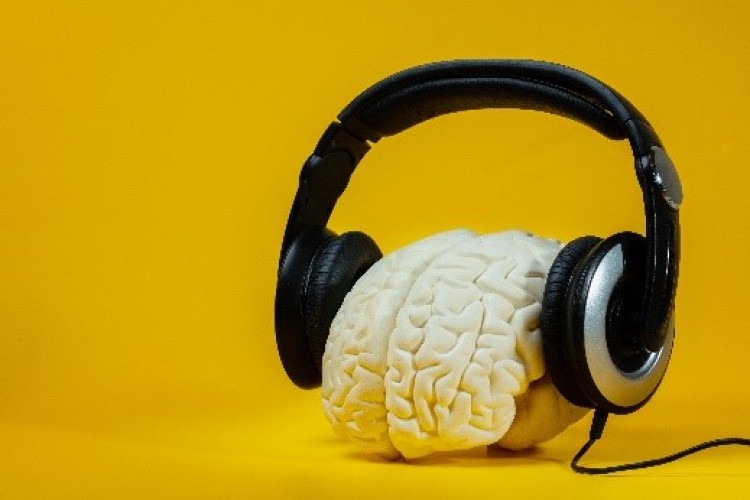
Because hearing loss usually develops gradually, your brain will adapt along with it. It becomes used to receiving less sound input and starts filling in the gaps during conversations. Once you begin wearing hearing aids, your brain is suddenly exposed to the full range of sounds again, and it takes time to process and organize them like it used to.
Your brain essentially has to relearn how to hear those sounds it hasn’t heard properly in a long time. That’s why everyday noises may seem surprisingly more noticeable when you start wearing hearing aids. For instance, your fridge hum, the sound of birds outside your window, and even your own footsteps might suddenly be noticeable and distracting. These sounds will become less distracting as your brain learns which sounds to filter out.
What to Expect During the Hearing Aid Adjustment Period
The First Few Days
The first few days of wearing hearing aids are the most challenging because everything feels new. Sounds you haven’t noticed in years will catch your attention, and even your own voice may sound a little different. By the end of the day, you might feel mentally drained because your brain is working harder to process all of the new sound information. All of these experiences during the early days are common and will improve as you use your hearing aids consistently.
The First Few Weeks
As time passes, you’ll notice more changes to your everyday life. Conversations will become easier to follow, and the sounds that seemed distracting at first will begin to blend into the background. This is also when wearing your hearing aids often starts feeling more habitual. Like putting on your glasses or grabbing your keys before leaving the house, putting them in has gradually become part of your daily routine.
The First Few Months
After a few months, you might realize you aren’t thinking about your hearing aids very often anymore. Now that it’s been some time, listening takes less effort, which makes family dinners, social gatherings, and other everyday activities less exhausting than they used to be. Instead of concentrating on hearing every word, you can enjoy just having a conversation. While they will require tune-ups or adjustments, at this point you’ve mostly adjusted to using your hearing aids.
Why Everyone Adjusts at a Different Pace
No two people experience hearing loss in exactly the same way, because there are different types and causes, so it’s no surprise that the adjustment process varies as well. Several factors influence how long it takes to adjust to hearing aids, including:
- The severity of your hearing loss
- How long your hearing loss went untreated
- If this is your first time using hearing aids
- Your daily listening environments
- How consistently you wear your hearing aids
- The technology and programming of your devices
Tips for Getting Used to Hearing Aids
While you can’t rush your brain’s natural adjustment process, there are several things you can do to make getting used to hearing aids a little easier.
Wear Them Every Day
The more consistently you wear your hearing aids, the more opportunities your brain has to adapt. Even when you’re just at home, using them regularly helps reinforce the listening skills you’re rebuilding. Wearing your hearing aids every day will help you get used to not only the physical feeling of them but also adjust to the change in your hearing faster.
Ease Into Challenging Listening Situations
As your confidence grows, spending more time in busier places like restaurants, family gatherings, or community events will get easier. Start by going to lunch or having some friends over for dinner. Taking small steps to reintroduce places or activities you might have been avoiding can often feel less overwhelming than jumping into noisy situations right away.
Make Note of Any Challenges
Pay attention to situations where hearing still feels difficult. Maybe certain voices sound unclear, background noise is still overwhelming, or conversations in the car are harder than expected. Making note of any times when your hearing isn’t up to par will help your hearing care professional make adjustments, so your hearing aids can keep up with your everyday life.
Don’t Skip Your Follow-Up Appointments
Think of your follow-up appointments as part of the hearing aid experience. It doesn’t end after the initial fitting. Keeping these scheduled visits helps ensure your hearing aids continue supporting you as you adjust to new listening experiences. Even small adjustments can make a noticeable difference in your comfort and ability to understand speech in everyday situations.
Be Patient With Yourself
Some days it may feel like nothing has changed. Then one afternoon you have lunch with friends or hang up after a call and realize you easily followed the entire conversation. Or one morning you put your hearing aids in without thinking about it. These moments of you just living your life are the best indication that you’re making progress and adjusting to your hearing aids well.
Why Follow-Up Care Matters
Hearing aids need to be adjusted every once in a while because of the variability of your real-life experiences. You shouldn’t skip your follow-up appointments because they are a chance to adjust your settings based on your actual hearing needs, not just your hearing test results.
These periodic appointments make sure your hearing aids continue to meet your needs over time. You should reach out sooner if you notice:
- Ongoing discomfort
- Whistling or feedback
- Trouble understanding speech
- Poor sound quality
- Fit or performance issues
Most of the time, these issues can be resolved with minor adjustments or programming changes made by a professional hearing care specialist.
How Beltone DFW Supports New Hearing Aid Users
There isn’t a universal timeline for how long it takes to adjust to hearing aids, and that uncertainty can feel frustrating as you try to get used to using these new devices. Some days may feel easier, while certain situations still take more effort than you thought they would, but that’s all a normal part of the adjustment process.
At Beltone DFW, we don’t expect you to get used to it on your own. If something doesn’t sound right, we take that seriously and will work with you to make the necessary adjustments. Hearing care is an ongoing partnership, and the goal isn’t perfection on day one. It’s helping you feel more confident in your hearing, one small improvement at a time, with a local team you can reach out to whenever something doesn’t feel quite right.