
Hearing aids have changed considerably over the years. Today’s devices can do more than make sounds louder. Technological advances have made them powerful tools that can adapt to different environments and can even work with your other devices to make phone calls and streaming easier, making them even more useful in your everyday life.
Comparing the latest models and their features can feel overwhelming, especially if this is your first time looking into available models and you’re trying to decide between the different types of hearing aids.
First, How Do Hearing Aids Actually Work?
Hearing aids don’t just return your hearing to normal or eliminate every communication difficulty. How well they work for you will depend on factors like the degree and type of hearing loss you have, and the device’s capabilities and programming. Rather than simply increasing the volume of sounds around you, modern hearing aids process the sound and adjust the amplification, so you can hear sounds you otherwise couldn’t.
Hearing aids all typically have these three main components:
- Microphones to capture sounds from your surrounding environment.
- Digital processors that analyze and modify those sounds.
- Receivers that deliver the processed sounds to your ears.
The way these components work together influences how a hearing aid handles speech, background noise, and changes in your environment. Along with their programming, which is based on your hearing evaluation results and determines how much amplification you need at different frequencies. This is one way your hearing aids can be customized to you.
The Different Hearing Aid Styles
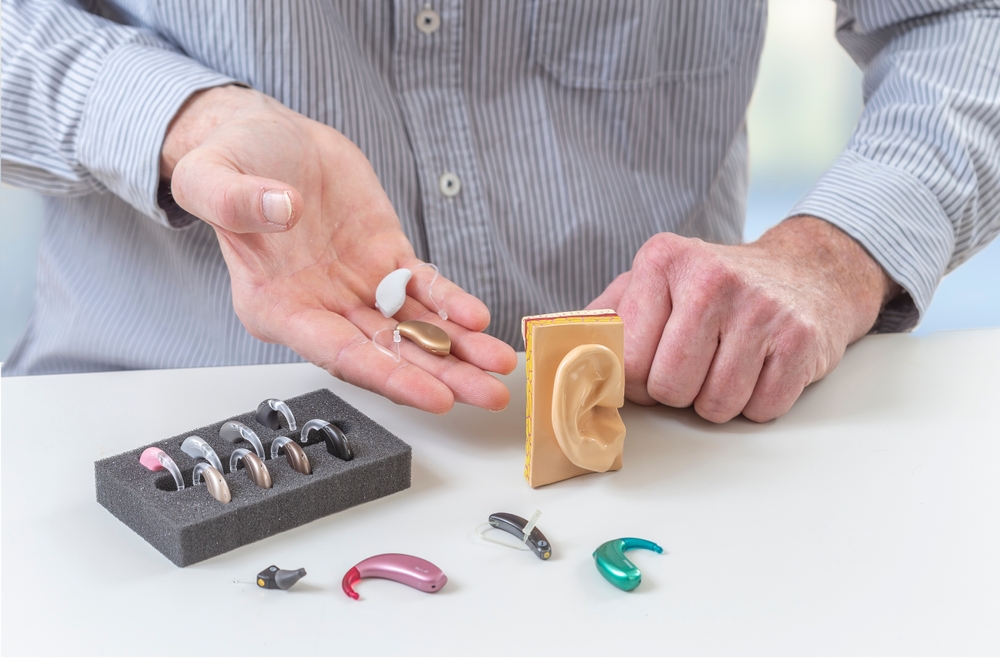
Hearing aids come in several styles that sit differently in or on your ear depending on the shape. Each style also offers different benefits. A specific shape or placement may work better for you, so learning the differences between hearing aid styles will make choosing one easier.
Behind-the-Ear (BTE) Hearing Aids
Behind-the-ear hearing aids have a housing that sits behind your ear. The size and configuration of the housing can affect how the device sits behind your ear. Sound travels through the tubing from the housing into an earmold that fits comfortably in your ear. This type of hearing aid has a larger housing than other models, so it can accommodate controls and components that may not fit into smaller styles.
Receiver-in-Ear (RIE) Hearing Aids
Receiver-in-ear hearing aids also have a housing behind the ear. The main difference between these and BTE models is that the receiver sits in or near your ear canal and connects to the housing with a thin wire. This gives you a lower-profile device that keeps the receiver closer to where sound is delivered. Depending on the model, RIE devices can accommodate different receiver and ear-tip configurations.
In-the-Ear and In-the-Canal Hearing Aids
In-the-ear (ITE) hearing aids fit in your outer ear, while in-the-canal (ITC) and completely-in-canal (CIC) styles sit deeper in your ear canal. These styles are typically custom-fit to your ear and smaller, so they’re less noticeable than some behind-the-ear designs. Because of their smaller size, the limited space inside can affect what size battery it can fit, as well as the types of connectivity and features available.
What Technology and Features Do Our Devices Offer?
The technology in your hearing aids can make a difference in how well they process sound and connect with other electronics. Understanding how these features work can make it easier for you to compare models and find the features you want.
Directional Microphones, Noise Reduction, and Speech Processing
Hearing aids use microphones and digital processing to help you hear the sounds around you. Upgraded features like directional microphones, which can emphasize sounds from specific directions, along with noise reduction and advanced speech processing, help reduce background noise and make speech clearer, giving you a better experience.
Rechargeable and Disposable Battery Options
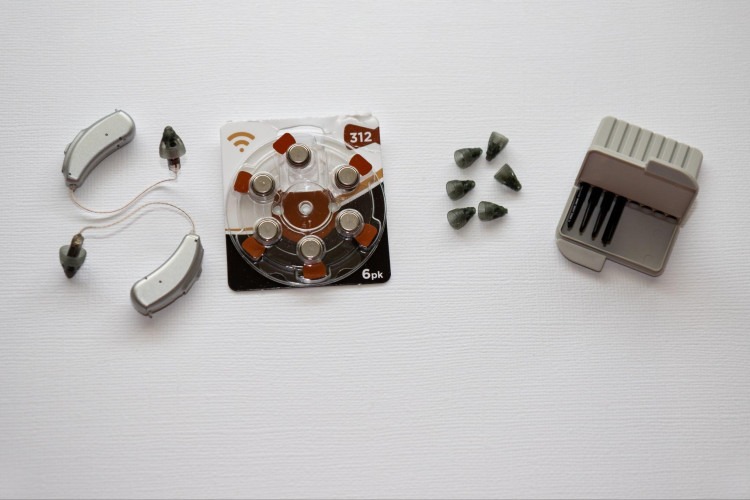
Hearing aids need power to work, whether it’s rechargeable or disposable batteries. Rechargeable devices typically come with a charging case that your devices will sit in when not in use. This makes them easy to travel with, but it also means you can’t use them if they run out of battery and need to be charged. Disposable batteries need to be replaced, but they offer the flexibility to replace them as needed so you can keep using your hearing aids. Keep in mind that battery life varies based on which model and settings you’re using.
Bluetooth, Audio Streaming, and Smartphone Connectivity
Many newer hearing aids can connect wirelessly to other electronics, including your phone, so you can stream phone calls, music, and TV directly to your devices. Some models can also support apps to control the volume, listening profile, and other settings on your hearing aids. Different models have different capabilities, so check compatibility when choosing a hearing aid if these features are important to you.
Feedback Management, Wind Noise Reduction, and Moisture Protection
Your hearing aids can help reduce environmental factors in your surroundings with features like feedback management that can reduce whistling or squealing caused by sounds being picked up again by the microphone in your devices. Wind noise reduction limits interference from strong gusts or blustery days, while moisture resistance protects your hearing aids from sweat or light rain. Some models have a higher IP rating, making them more moisture-resistant or even waterproof. Some models also have tinnitus management programs to help with any pulsing or ringing in your ears.
AI-Assisted Adaptive Listening Technology
Some newer hearing aids use AI-assisted processing to analyze your environment and automatically adjust sound settings and speech comprehension, giving you clearer speech and fewer sound interruptions. This means you don’t have to adjust them manually every time your environment changes.
How Do Hearing Aids Work in Different Listening Environments?
Certain hearing aid features help your hearing aids perform differently depending on where you are and what you’re trying to hear. Advanced sound-processing abilities help them manage various listening environments to help you get the clearest sound:
- Conversations in noisy places: Directional microphones and noise processing help in crowded places like restaurants, busy shops, and large gatherings, where competing voices and background sounds need to be filtered out.
- One-on-one conversations: The amplification quality and individualized programming of your hearing aids will make speech easier to hear. These features make it easy to have conversations in quiet places where people might not be talking as loudly.
- Phone calls and television: Wireless hearing aids can stream audio directly from compatible devices, so you don’t have to rely on how well you’re picking up sounds across the room.
- Outdoor environments: Directional microphones and adaptive sound processing help manage background noise and automatically adjust your hearing aid settings based on changes in outdoor conditions like wind or traffic that can affect how the microphone picks up sounds. Some models also include specific wind-noise reduction features.
What Happens During a Hearing Aid Fitting?
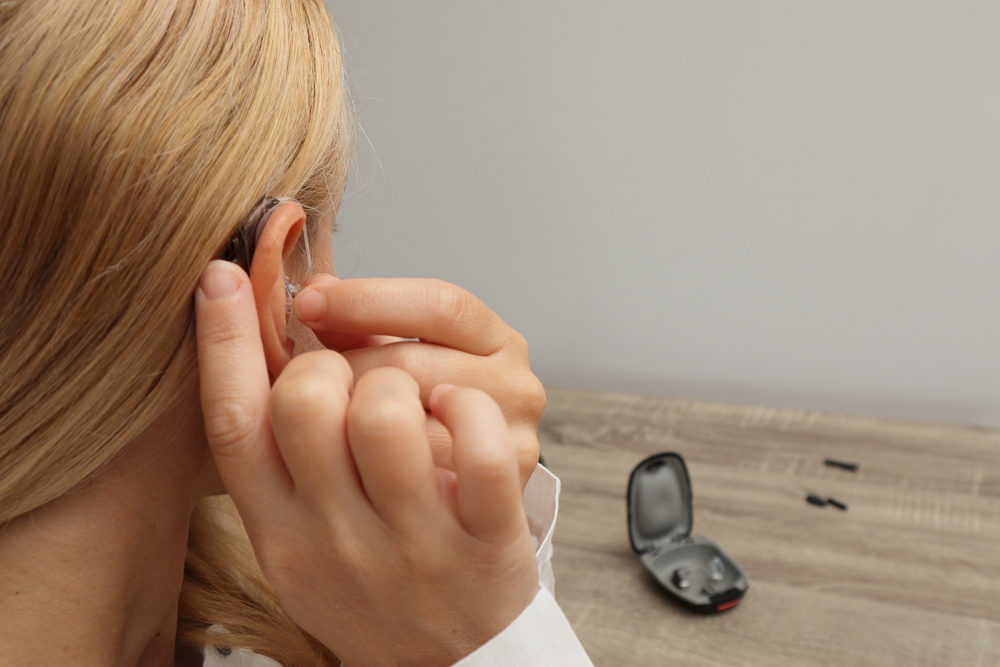
During your hearing aid fitting, your hearing evaluation results will be used to program your devices in conjunction with your hearing needs. Your hearing care professional will check that your devices fit comfortably and securely and confirm that you’re happy with the settings.
You’ll learn how to put them in and take them out, use their controls, charge or change the batteries, and connect them to any compatible devices, if your model supports that. You can also ask any follow-up questions as we walk you through what to expect as you begin using your new hearing aids.
What Do You Need to Know About Adjusting to and Caring for Your Hearing Aids?
Getting used to hearing aids doesn’t happen overnight. Sounds you haven’t heard clearly in a while may seem louder or different than you remember. Even your own voice might take some getting used to. Give yourself time to adjust, as it can take a few weeks to fully acclimate. Schedule a follow-up appointment if your devices feel uncomfortable or you’re having trouble using them.
Taking care of your hearing aids is fairly simple once you get into a routine. Clean them as directed, keep them away from excessive heat and moisture when you’re not wearing them, remember to charge or replace the batteries, and replace parts as they wear out. Professional cleanings and inspections are part of regular hearing aid care.
Explore Your Options With Beltone DFW
There can be a lot to take in when learning about hearing aids, and you don’t have to figure everything out alone. The risks of untreated hearing loss far outweigh adjusting to new hearing aids. Visiting a local hearing aid center gives you access to professional hearing care specialists who can answer your questions, assist you throughout your hearing aid journey, and even help you navigate insurance and financing options.