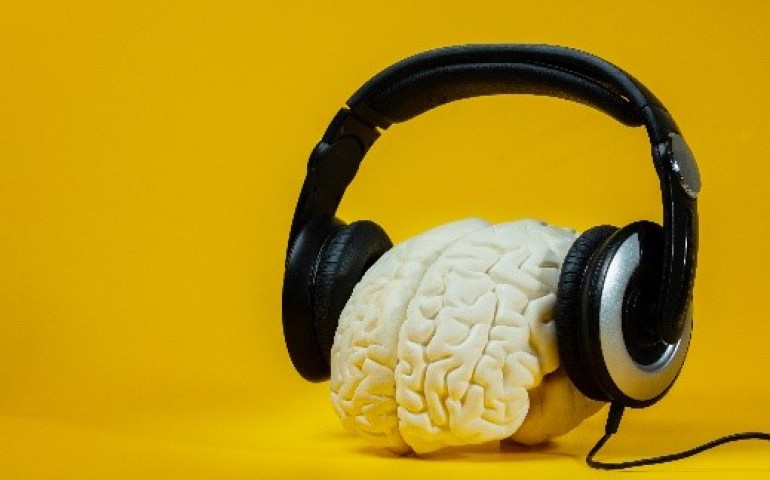
Hearing is often thought of as a simple process where sound goes in, volume goes up, problem solved. But the reality is a very different picture. Hearing is much more about the brain than the ears.
Cognitive hearing science helps explain why someone can hear sounds but still struggles to listen, especially in noisy environments. For many adults, the connection between their hearing system and their brain is the missing piece in understanding listening fatigue, communication challenges, and the importance of professional hearing care.
What Is Cognitive Hearing Science?
Cognitive hearing science is the study of how the brain processes, interprets, and prioritizes sound. While the ears detect sound waves, the brain decides what those sounds mean and which ones matter most. In simple terms, hearing refers to the ability to detect sound, while understanding what the sounds are and what they mean depends on the brain’s ability to organize and interpret those sounds.
This distinction explains why two people with very similar hearing test results can have vastly different real-world experiences. One person may easily follow conversations, while the other struggles to understand, particularly in noisy environments. Cognitive hearing science bridges that gap by showing how mental processing, attention, and memory work together with hearing to support clear communication.
How The Brain Processes Sound
Sound waves begin as vibrations that pass through the ear and are converted into electrical signals. These signals are transmitted to the brain, where they are interpreted almost instantly.
The brain helps you hear by:
- Distinguishing speech from background noise
- Identifying voices and speaking patterns
- Filling in gaps when sounds are unclear
- Focusing attention on what’s important
In busy environments like restaurants, meetings, and family gatherings, your brain has to work harder to decipher its surroundings. When your hearing changes, the information your brain receives is less clear, so it has to work harder to fill in the blanks. Over time, this increased effort can affect your ability to focus and remember information.
What Happens When Hearing Loss Goes Untreated
As hearing loss goes untreated, the brain receives reduced or distorted sound input, which not only affects communication but also increases cognitive load, which is the amount of mental effort that goes into listening and understanding. Once your hearing is compromised, you may notice that you get tired after conversations, how hard it is to focus in group settings, and that you’re having more misunderstandings and missed details. You might even notice that you seem less eager to hang out in social settings.
Hearing loss should be approached with awareness rather than fear, since it often occurs very gradually. Because it is gradual, you typically adjust without realizing how much additional effort you’re putting in. Cognitive hearing science helps explain why untreated hearing loss can impact your daily life.
How Hearing Aids Support Your Brain
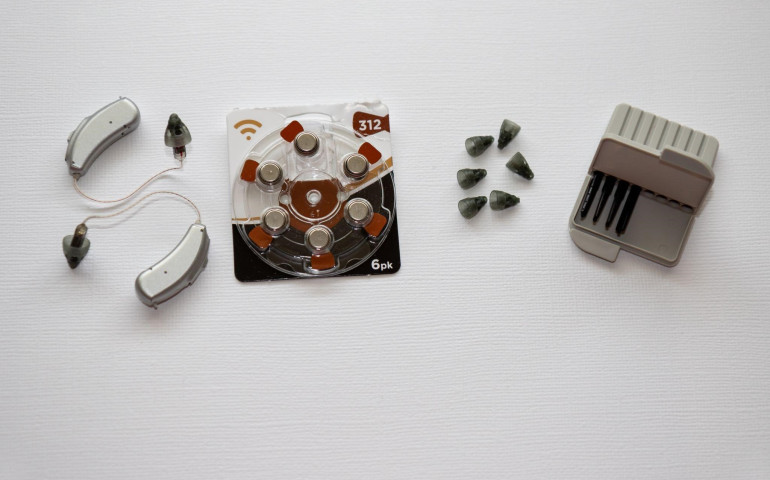
Today’s hearing aids are designed with the brain in mind. Instead of just amplifying all sounds, they focus on delivering clear and organized sounds to the brain for processing. Using them consistently makes a big difference. When your hearing aids are worn regularly, and they are programmed correctly for your specific hearing loss, your brain will be stimulated by clearer signals. This makes listening easier and helps your brain interpret speech as your hearing declines over time.
Keeping your hearing aids in good condition and getting hearing care so can know they’re properly programmed is also an important part of your hearing aids performing well and helping you in all settings, not just a quiet one-on-one conversation.
The Importance of Early Hearing Evaluations
Getting a hearing evaluation early can identify changes in your hearing before they become more serious. A comprehensive hearing test is a non-invasive way to assess your hearing. Finding these changes sooner rather than later can help you maintain sound clarity and reduce the unnecessary listening effort you’ve become accustomed to.
Signs that hearing damage may be impacting your hearing ability are:
- Having to ask others to repeat themselves
- Difficulty following conversations in loud environments
- Feeling mentally exhausted after social interactions
- Turning the TV volume up more than usual
Taking Care of Your Hearing is an Investment in Your Brain Health
Hearing care plays an important role in your overall wellness because it supports your brain's ability to stay engaged when processing sound. When your hearing is properly supported, you don’t put excess strain on your brain.
At Beltone DFW, hearing care goes beyond hearing aids to focus on you, your listening needs, lifestyle, and goals. By offering personalized evaluations, advanced hearing aids, and ongoing support, our team helps support both your hearing and cognitive listening health.
Since hearing is a brain-driven process, getting proactive care is an investment in your ability to connect with the world around you, and Beltone DFW is here to guide you every step of the way.