
Replacing hearing aid parts regularly improves sound quality and comfort. Learn what to replace and when with help from Beltone DFW.
Hearing aids are delicate devices, and their performance depends heavily on the small, replaceable components that make up your hearing equipment. Replacing certain hearing aid parts regularly helps keep them sounding clear and feeling comfortable while protecting your investment over the long term.
Knowing when and how to replace components that affect your hearing aids’ reliability can prevent early replacements and other issues.
Which Hearing Aid Parts Need Regular Replacement?
Hearing aid parts are exposed to moisture, earwax, skin oils, and daily handling, all of which contribute to wear over time. Staying on top of replacing these hearing aid parts helps avoid sound problems and unnecessary repairs. Each of these parts plays an important role, and even minor wear can noticeably affect performance.
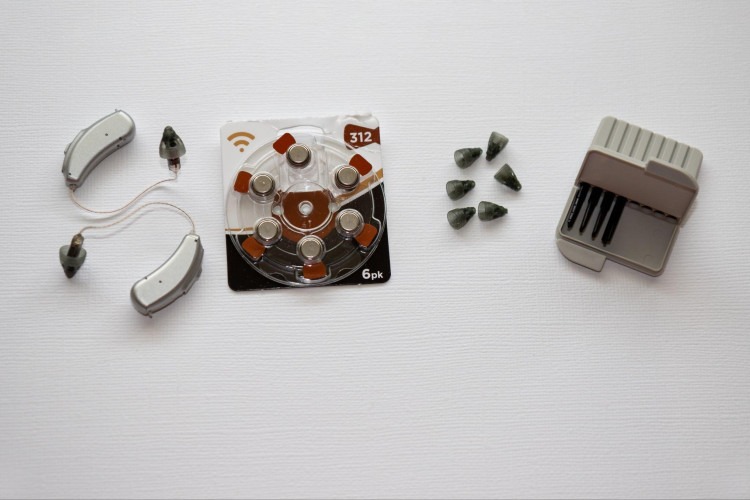
The most commonly replaced components include:
- Domes: Soft silicone tips that sit in the ear canal and deliver sound comfortably.
- Wax Filters / Wax Guards: Small filters that protect internal components from earwax and debris.
- Ear Tips / Ear Molds: Universal or custom pieces that affect fit, stability, and sound quality.
- Tubes & Slim Tubes: Responsible for carrying sound into the ear on behind-the-ear models.
- Retention Locks: Small stabilizers that help domes stay securely in place.
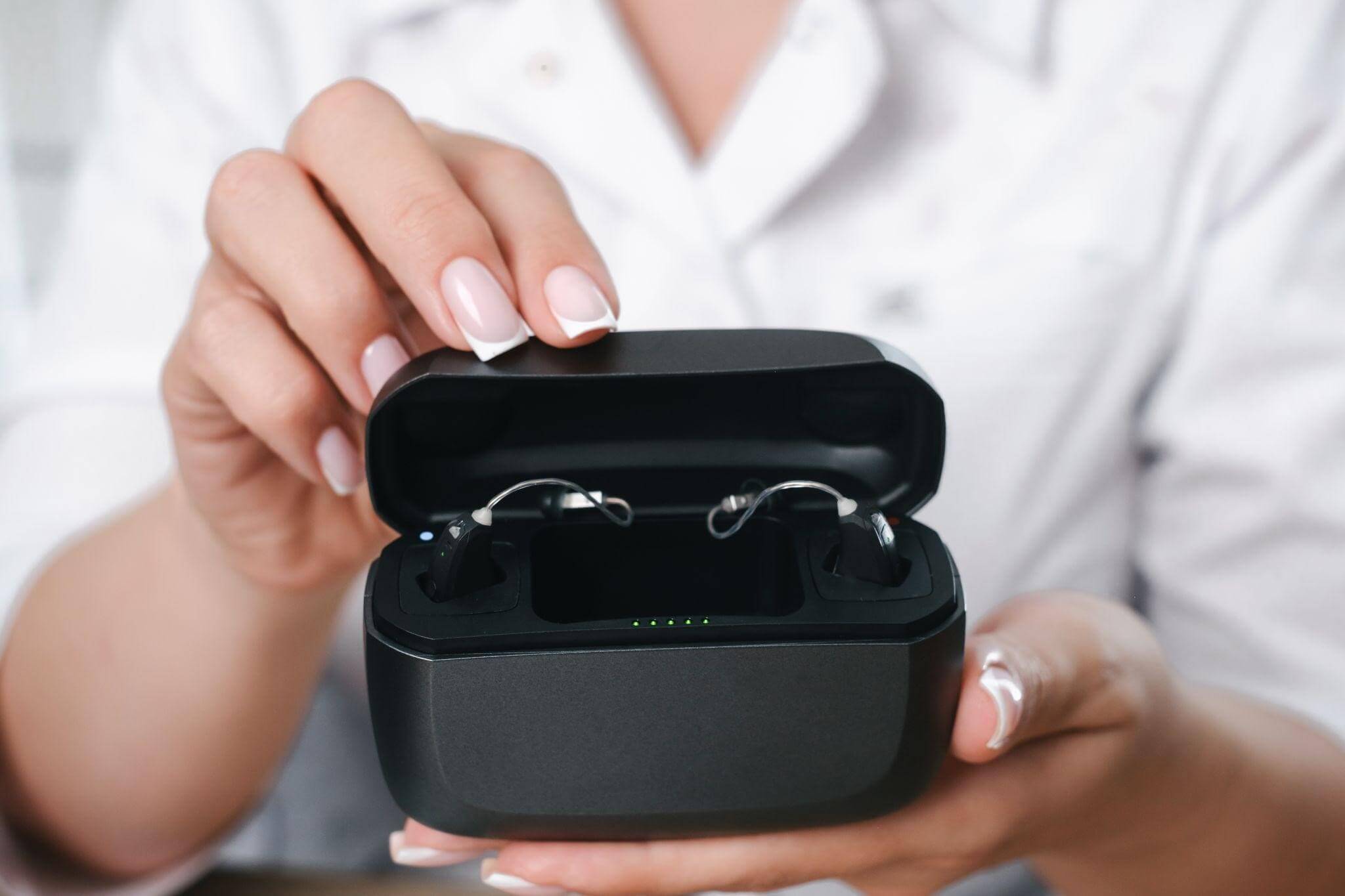
- Batteries or Hearing Aid Chargers: Power sources for your hearing aids, which vary by model.
How Often You Should Replace Different Hearing Aid Parts
Each part of your hearing aids has a lifespan. Knowing when to replace each component varies based on how long you’ve used them and any damage they might have sustained, but these general guidelines can help you get the most from your hearing aids.
Hearing Aid Domes
Domes typically need replacing every one to three months. As they wear down and become loose, cracked, discolored, or clogged with wax, it can affect the comfort and sound quality of your hearing aids.
Wax Filters / Wax Guards
Wax filters usually need to be replaced every one to two months, or whenever the sound becomes muffled. Changing the hearing aid filters regularly is one of the easiest ways to protect your hearing aids from internal damage caused by wax buildup.
Ear Tips or Ear Molds
Ear tips and ear molds should be replaced once they begin to affect the fit of your hearing aids. Universal ear tips usually last between three and six months, while custom ear molds can last one to two years, but should be replaced sooner if you notice changes in sound or comfort.
Tubes or Slim Tubes
Tubes generally need replacement every three to six months. Over time, moisture, earwax, and natural oils can cause tubing to stiffen or discolor, which may affect sound quality. If you notice cracking, reduced volume, or a less comfortable fit, it’s time to replace your hearing aid’s tubes.
Retention Locks
Retention locks should be replaced every three to six months, or sooner if they become loose or bent. Replacing them on time helps keep your hearing aids securely and comfortably in place, especially during physical activities.
Disposable or Rechargeable Batteries
Disposable hearing aid batteries typically last between three and ten days, depending on usage and features such as streaming or noise reduction. Rechargeable batteries are designed to last longer, usually one to three years, but may need to be replaced once you notice a decrease in battery life or charging performance.
Signs That It’s Time to Replace a Hearing Aid Component
Even with regular maintenance, parts wear out over time. You may need to replace certain hearing aid parts if you notice:
- Sound becoming quieter or distorted
- Increased feedback or whistling
- Domes slipping out or feeling uncomfortable
- Hearing aids feeling blocked or clogged
- Visible wear such as cracks, stiffness, or discoloration
- A noticeable drop in battery life
Often, changing your hearing aid domes or filters can resolve these issues quickly. If not, it may be time for a hearing aid adjustment or new devices.
Simple At-Home Maintenance Tips For Your Hearing Aids
Daily care can help extend the life of your hearing aid components and reduce how often parts need replacement. Here are some simple things you can do to keep your hearing aids in good condition:
- Clean hearing aids daily with a soft, dry cloth
- Store them in a protective case when not in use
- Use a drying box or dehumidifier overnight
- Avoid moisture, hairspray, and cosmetic buildup
- Keep spare domes, filters, and batteries on hand
Reliable Hearing Aid Care Starts with Beltone DFW
When it comes to keeping your hearing aids performing their best, having a trusted local team makes all the difference. Our hearing aid centers across Dallas-Fort Worth are equipped to handle everything from professional cleanings and repairs to helping you find and install the right replacement parts for your specific device.
Instead of guessing when it’s time for service or struggling with fit and performance on your own, you can rely on Beltone DFW for expert care, quality replacement components, and personalized support. Stop by one of our locations or schedule a service visit to keep your hearing aids comfortable, reliable, and ready for everyday life.