Changes in your hearing aren’t always obvious, especially when they develop gradually. Pinpointing the cause of any hearing issues can be difficult because of how sensitive your hearing system is. Glue ear is one of those conditions that can quietly interfere with your hearing, often without pain or clear warning signs. Though it is commonly associated with young children, it can also affect older kids and adults. While you may not have heard of glue ear by that name, it’s important to know what to look for so you can catch it early and avoid long-term hearing damage.
What Is Glue Ear?
This condition affects the middle ear, which relies on a small passage called the Eustachian tube to function properly. This tube connects the ear to the back of the nose and throat, maintaining equal pressure and allowing fluid to drain.
Glue ear occurs when the Eustachian tube doesn’t drain properly. Things like inflammation, infection, allergies, or congestion can block the tube, which prevents fluid from draining out. Over time, that trapped fluid thickens and becomes sticky, hence the name “glue ear.”
Glue Ear in Adults and Children
Glue ear is most common in children because their Eustachian tubes are smaller, narrower, and more horizontal than those of adults. This makes it easier for fluid to become trapped, especially because they are prone to more frequent colds or ear infections.
However, it also occurs in adults. While less common than in children, glue ear in adults can still significantly impact hearing and even communication.
Some factors that increase the risk of glue ear in both adults and children include:
- Frequent colds or ear infections
- Allergies or chronic sinus issues
- Exposure to cigarette smoke
- Frequent exposure to germs or viruses
Signs and Symptoms to Watch For
Unlike an ear infection, glue ear doesn’t always cause pain or fever, which is why it’s often harder to spot. Many of the symptoms of glue ear are the same as those of other hearing conditions, so understanding what to look for is important, but only a professional exam can determine what’s causing your hearing issues.
In Children
Glue ear can be tricky to detect in kids, especially younger ones who may not be able to describe what they’re experiencing. Common signs include:
- Difficulty hearing or responding when spoken to
- Asking for repetition or turning up the volume on TVs or devices
- Delayed speech or unclear pronunciation if hearing is affected for a long time
- Trouble focusing, seeming distracted, or struggling in noisy environments
In Adults
In adults, glue ear symptoms may feel more subtle but are still disruptive to your everyday life. Be on the lookout for hearing issues such as:
- Muffled hearing or difficulty understanding speech
- A feeling of fullness, pressure, or popping in the ear
- Crackling sounds, mild discomfort, or ringing in the ears
- Occasional balance issues or a sense that the ear feels blocked
The Risks of Ignoring Glue Ear
Glue ear can cause temporary hearing loss, but when fluid remains in the middle ear for too long, it can lead to long-term hearing issues. In children, ongoing hearing difficulties can affect speech development and learning.
For adults, untreated glue ear can increase the risk of chronic ear infections or other middle-ear complications. When hearing issues are left unaddressed in adults, it can lead to increased frustration, balance issues, and have a negative impact on physical and mental health.
How Glue Ear Is Diagnosed
Glue ear is typically diagnosed through a routine ear exam. A hearing care specialist or audiologist may use an otoscope to look at your eardrum for signs of trapped fluid or changes in its appearance.
A hearing evaluation can confirm whether fluid is present and assess how well your middle ear is functioning. If there is suspected hearing loss, you may need additional testing to see how your hearing has been affected, especially if the condition has lasted longer than expected or has started to affect your ability to communicate.
Treatment and Management Options
Glue ear often improves on its own over time, but there are steps you can take to manage symptoms while the fluid clears. Simple lifestyle changes, such as addressing allergies or sinus congestion and reducing exposure to smoke or other irritants that can worsen ear inflammation, can help prevent fluid buildup.
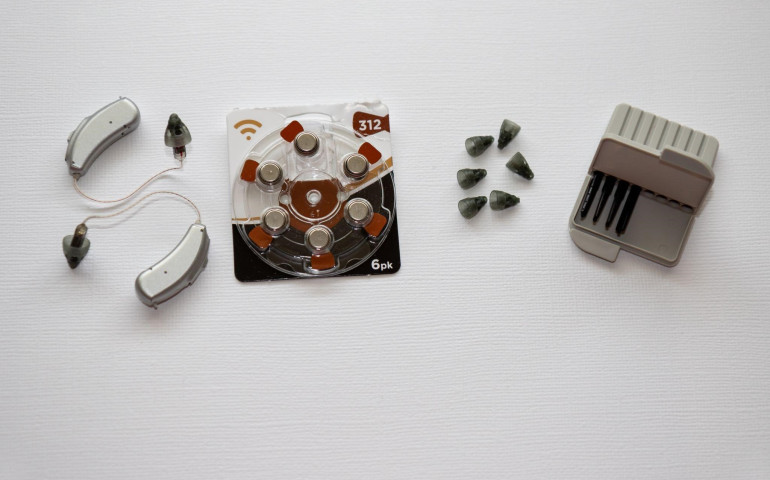
If your symptoms last for months or begin to affect your hearing, it’s time to see an ear, nose, and throat (ENT) specialist. They might place small ventilation tubes, called grommets, in your eardrum to improve airflow and help fluid drain from the middle ear. If the fluid doesn’t drain or surgery isn't an option, hearing aids may help you mitigate hearing issues while your ear continues to heal.
Hearing Concerns? Trust Beltone DFW
Experiencing an issue with your ears can be disorienting, and getting answers should be simple. A professional hearing evaluation from the specialists at any of our Dallas-Fort Worth locations can help you understand what’s happening and what steps, if any, are needed next.
Even if the hearing loss you’re experiencing is temporary, you deserve expert care and guidance. Our team will be there for you from the initial hearing test to the hearing aid demo if that’s the right course of action for you. Schedule an appointment at any Beltone DFW hearing aid center to get your free hearing test and finally get the answers you need to get your hearing back on track.