

Have you ever been in a conversation where you’ve been nodding your head as if you understood, even though you didn’t quite catch it? Their voices sound clear, but the words seem warbled.
It may surprise you to learn that you can have no problem passing a hearing test but still have trouble understanding what people are saying. This is often a sign of hidden hearing loss, a condition that may not show up on an audiogram, but can leave you able to hear but unable to understand those around you.
What Is Hidden Hearing Loss?
Hidden hearing loss is a hearing issue that doesn’t appear on traditional hearing tests. A person with hidden hearing loss may be able to hear soft sounds in a quiet setting but still have problems understanding speech, especially when there is background noise.
This is different from typical hearing loss, which affects how loudly you hear sounds. Hidden hearing loss is related to how clearly you hear them. It can be caused by subtle damage to the nerve connections between the inner ear and the brain. These nerve pathways are responsible for relaying sound information, especially speech.
When these pathways are affected, you may hear the sounds but have difficulty understanding what is being said, resulting in the frustrating experience of hearing but not understanding what is being said.
Why You Can Hear Sounds but Still Struggle to Understand Speech
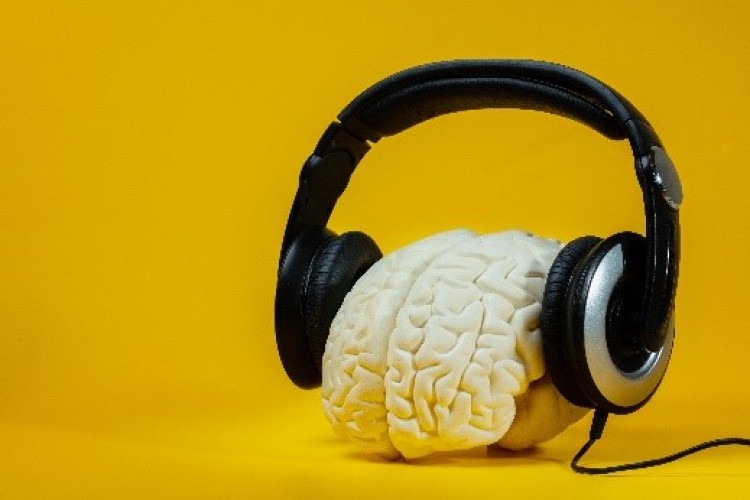
The Ear-to-Brain Connection
Inside your inner ear, there are small hair cells that translate sound waves into electrical impulses. These impulses are transmitted through the auditory nerve to your brain, where speech is analyzed and interpreted.
For hidden hearing loss, studies have indicated that it indicates a problem with the synapses, or the tiny connections between the hair cells and the auditory nerve. Even if you are able to hear tones when a hearing test is administered, the strength of the neural connections could impair the clarity of the sound, especially in difficult listening conditions.
The Role of Auditory Processing
The problem is not only in the ear but also in the way the brain interprets sound. Auditory processing disorders can make it difficult to distinguish speech from background noise or to follow a fast-moving conversation.
This is why a noisy restaurant, a family reunion, or a business meeting can be so overwhelming. Your brain is actually working overtime to connect the dots, and this results in listening fatigue.
Common Hidden Hearing Loss Symptoms
The symptoms of hidden hearing loss can be subtle at first and easily missed, since it doesn’t usually affect your ability to hear loud sounds. Some of the most common hidden hearing loss symptoms include:
- Frequently asking people to repeat themselves
- Struggling to follow conversations in noisy places
- Feeling mentally exhausted after social interactions
- Hearing voices but perceiving them as muffled or unclear
- Turning up the TV even when others say it’s loud enough
- Avoiding group settings because they feel overwhelming
Why a Standard Hearing Test May Not Show the Problem
Conventional hearing tests assess your ability to hear soft tones in a quiet room. While this is important, it does not assess your ability to understand speech in real-life situations.
If you’re dealing with the strange issue of hearing but not understanding, you may not be able to get to the root of the issue without more comprehensive testing, which includes speech-in-noise testing, word recognition testing, and functional listening assessments.
Finding hearing care specialists who understand your daily listening challenges, not just your audiogram results, can be difficult. A comprehensive assessment can help determine whether hidden hearing loss or auditory processing problems are contributing to your symptoms.
Who Is Most at Risk?
Hidden hearing loss can occur in adults of all ages. Even middle-aged adults who feel their hearing is normal may find it increasingly difficult to understand speech if there’s background noise. Some of the most common risk factors include:
- Long-term exposure to loud noise
- Aging-related neural changes
- History of head trauma
- Certain medical conditions or medications
Treatment and Management Options
Advanced Hearing Technology
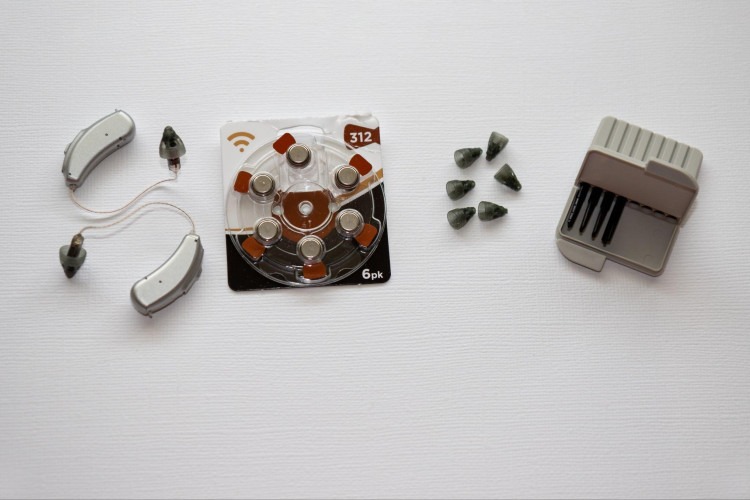
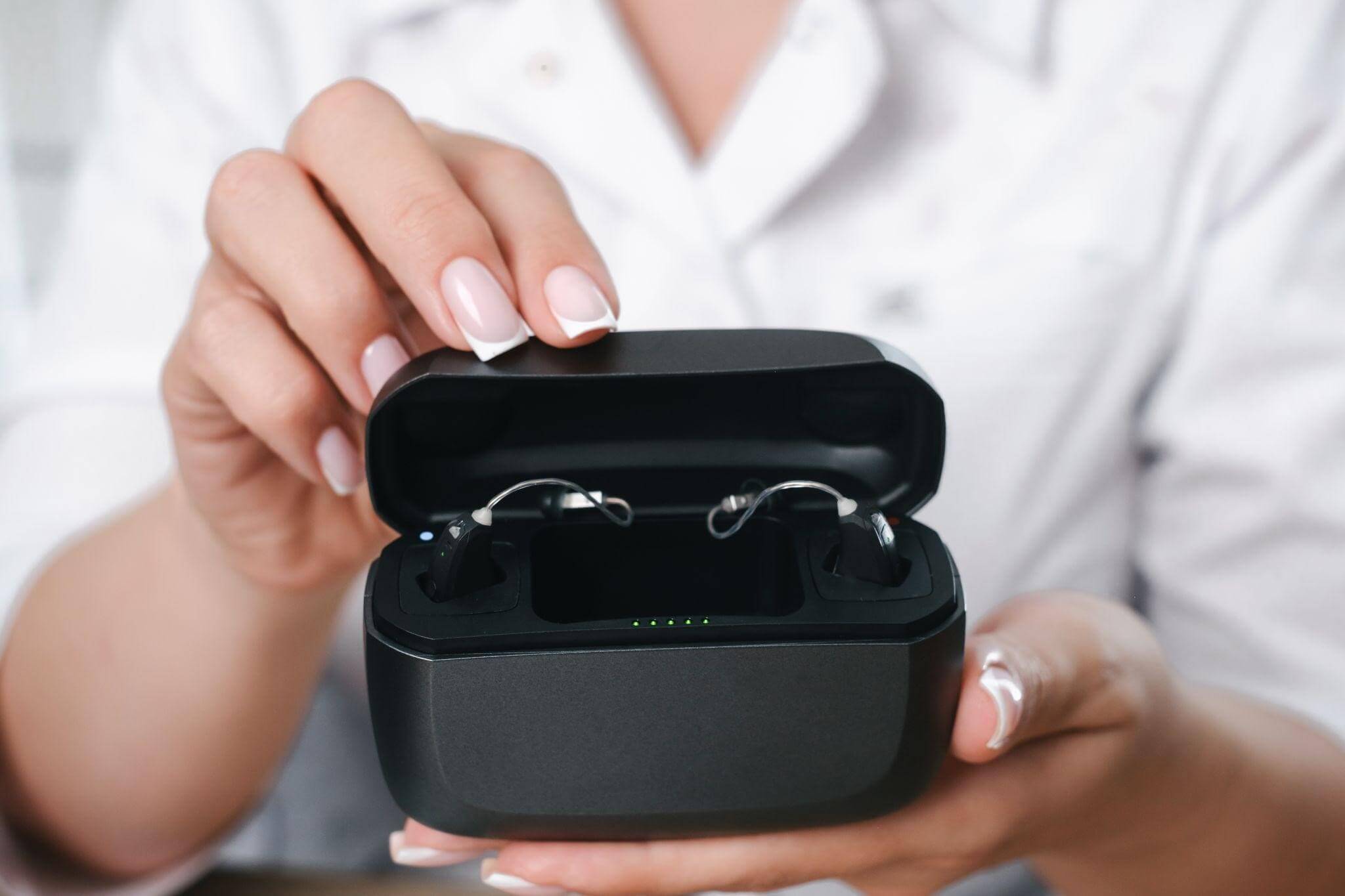
Contemporary hearing aids are intended to enhance speech clarity, rather than simply amplify sound. Features like directional microphones and noise-reduction programs may help filter out background noise, allowing you to focus more on conversations. Properly programmed hearing aids can reduce cognitive strain and make listening more comfortable.
Auditory Training and Rehabilitation
Doing targeted listening exercises can help strengthen how your brain processes speech. Over time, regular auditory training may improve your ability to understand speech and reduce listening fatigue in louder environments.
Communication Strategies
Small changes can go a long way in making communication easier and less exhausting. Turning your face towards the person you are talking to will help you use visual cues, while minimizing background noise or finding a quieter spot in a restaurant can also help. In a group setting, asking people to speak a little more slowly or more clearly can also make a big difference.
When to Schedule a Hearing Evaluation
If you’re having difficulty understanding conversations, even if you’ve been told your hearing is normal, it may be time to schedule a hearing evaluation. An early evaluation may help determine whether you have hidden hearing loss or auditory processing problems before they lead to increased frustration, social isolation, or communication difficulties.
Hearing clearly is about more than volume. It’s about being connected, confident, and involved in the moments that matter most. At Beltone DFW, our skilled hearing care professionals will take the time to understand your hearing health. Our in-office hearing evaluations will not only determine how well you hear in quiet environments, but also how well you understand speech in real-life, noisy situations.