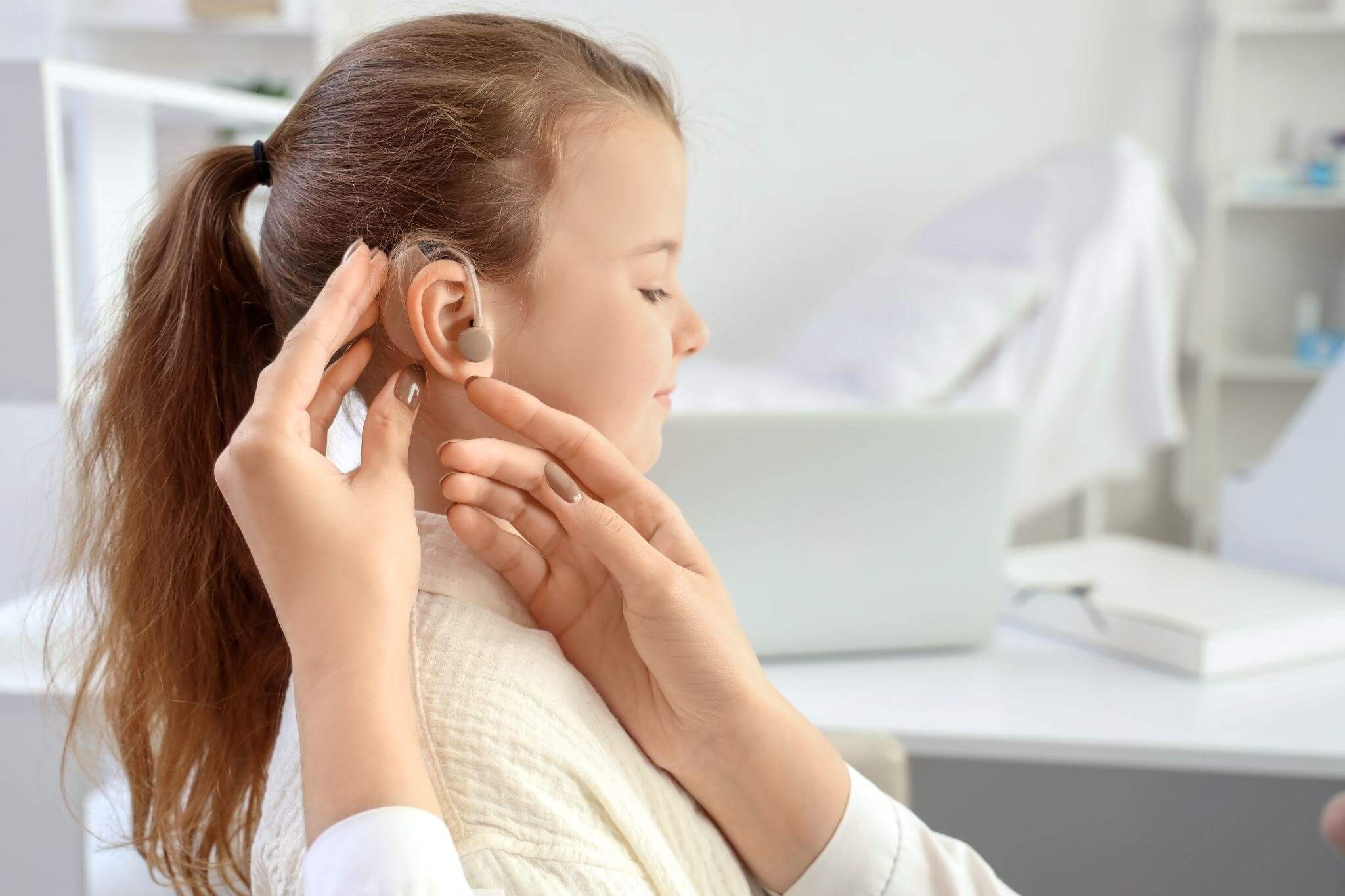
Catching the signs of hearing loss in children is vital to ensuring they stay on track with their speech and social development. It can affect how they learn and interact with the world around them, and can start at any age.
Knowing how to spot the signs and causes of hearing loss in children, and how they differ from those in adults, is important for parents to recognize.
Understanding Hearing Loss in Children and Teens
The most common type of hearing loss in children is conductive hearing loss, caused by problems in the outer or middle ear. This type is treatable since it is usually caused by physical blockages or medical conditions.
The other prevalent type in children and teenagers is sensorineural hearing loss. Sometimes this kind of hearing loss is present from birth, caused by a damaged auditory nerve or problems with the inner ear, though it can also develop later in life.
Common Causes of Hearing Loss in Children
It’s important to know what can cause hearing loss in little ones, because while some factors can’t be avoided, many causes can be prevented.
- Genetic factors or family history: Some children inherit conditions that affect hearing from birth or develop over time.
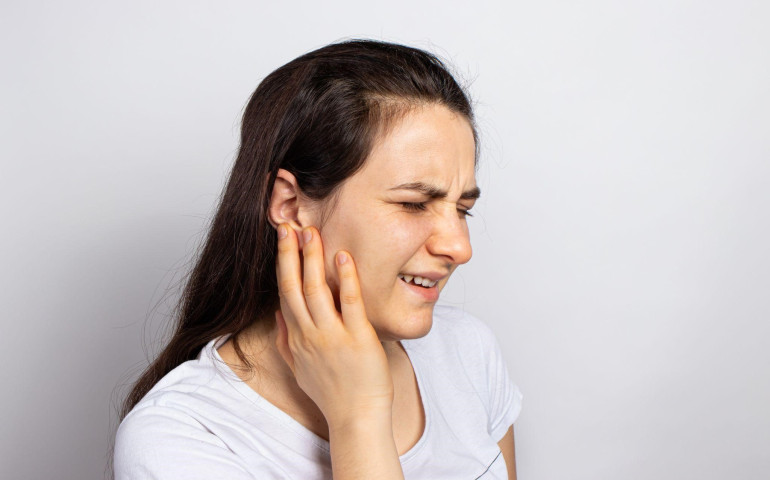
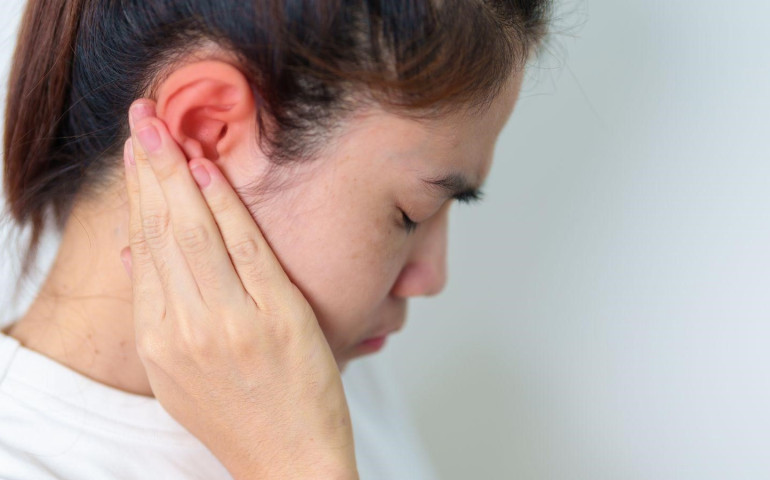
- Ear infections or fluid buildup: Frequent middle-ear infections or persistent fluid can temporarily reduce hearing and may lead to long-term hearing issues.
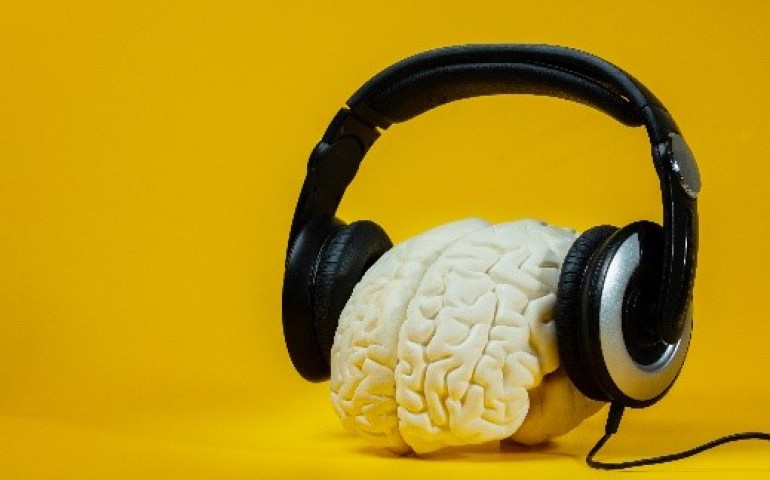
- Exposure to loud noises: Music players, concerts, sporting events, and even loud toys can damage young ears.
- Illnesses or medical conditions: Certain viruses, medications, or birth complications can affect the auditory system.
Signs and Symptoms of Hearing Loss in Children and Teens
Not listening might be a typical kid behaviour, or it might be a sign of hearing loss in your child. Any indicators of potential hearing issues can be subtle and might change as your kid or teen grows and develops, so knowing what to look out for is key to getting them the hearing care they need.
Signs that a child or teen may be experiencing hearing loss include:
- Not responding when called, especially from another room.
- Turning up the volume higher than usual on a laptop or cell phone.
- Misunderstanding instructions or being inattentive in class.
- Falling behind academically, particularly in reading or language-based subjects.
- Delayed speech or unclear articulation in younger children.
- Difficulty understanding peers in noisy environments like playgrounds or cafeterias.
- Withdrawing from group activities or appearing frustrated during conversations.
How Child Hearing Loss Differs from Adult Hearing Loss
Hearing loss in adults is most commonly caused by aging or long-term noise exposure, but in children, the causes can differ. Kids may experience hearing issues due to genetic conditions, frequent ear infections, birth complications, or developmental factors.
Kids might also not recognize that they are struggling to hear or know how to communicate about their hearing issues. Unlike adults, children rely on hearing to develop speech, vocabulary, and social skills. Addressing hearing concerns in kids early can prevent long-term challenges with learning, communication, and confidence. Unaddressed hearing loss can affect nearly every part of a child’s development. It can delay speech and language growth, contribute to academic struggles, impact confidence and emotional well-being, and affect their ability to connect with others.
Hearing Health Tips for Children
Here are a few tips to protect young ears and prevent noise-induced hearing loss:
- Encourage listening at safe volumes when using headphones or earbuds.
- Limit exposure to loud environments and use hearing protection.
- Teach kids to pay attention when their ears feel full or tired, or if they notice any ringing.
- Build in quiet breaks to give the ears time to recover.
The Best Kinds of Hearing Aids for Younger Ears
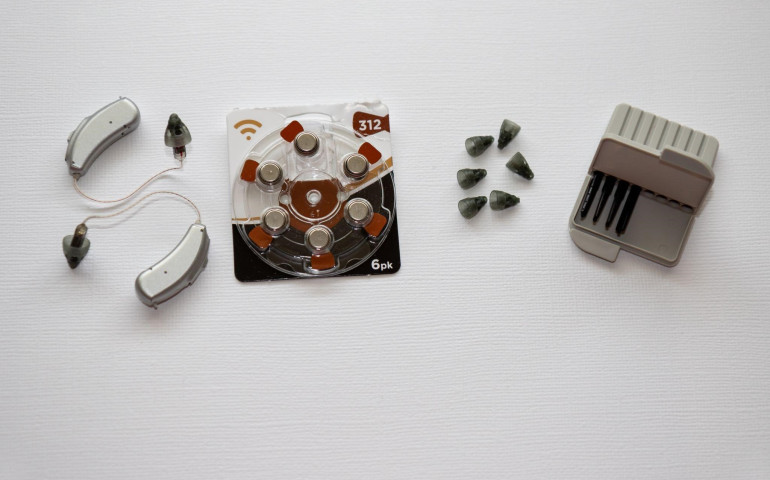
For younger children, behind-the-ear (BTE) hearing aids are typically the best choice because they’re durable, safe, and easy to maintain. Their soft earmolds can be replaced as children grow. BTE devices also include helpful features such as tamper-resistant battery doors, LED indicators, and secure fits that stay in place during active play.
For teens, receiver-in-canal (RIC) hearing aids are often preferred for their sleek design, comfort, and excellent sound quality. These models offer advanced features, like Bluetooth streaming, that can help with schoolwork, socializing, and growing their independence.
Stay on Top of Your Child’s Hearing Health
Early detection and proactive hearing care are key to ensuring children and teens develop strong communication, learning, and social skills. At Beltone DFW, we offer personalized hearing assessments, hearing aids with advanced technology, repairs for when accidents happen, and provide guidance that makes managing kids’ hearing health simple. Regular hearing tests give parents peace of mind, help catch potential issues before they affect development, and ensure kids get the support they need to thrive.
If you’re ready to take the next step in protecting your child’s hearing, schedule a consultation or assessment at any Beltone DFW hearing aid center in Dallas-Fort Worth.